Portugal has a habit of making solo travel feel easy. It is small, the trains generally do what the timetable says, café culture means nobody raises an eyebrow at a table for one, and you can cross most of the country in an afternoon if you feel like it. Even so, a first solo trip goes far better with a bit of groundwork: where to sleep, how to move between cities, and what a shared dorm actually involves at two in the morning.
Why Portugal suits a first solo trip
The practical reasons stack up nicely. Distances are short, so you are not losing whole days to travel. English is widely spoken in cities and tourist areas, which lowers the stress of asking for help, though learning a few Portuguese phrases goes a long way. Food is affordable enough that eating alone in a tasca feels normal rather than awkward, and the hostel network is established, particularly in Lisbon and Porto.
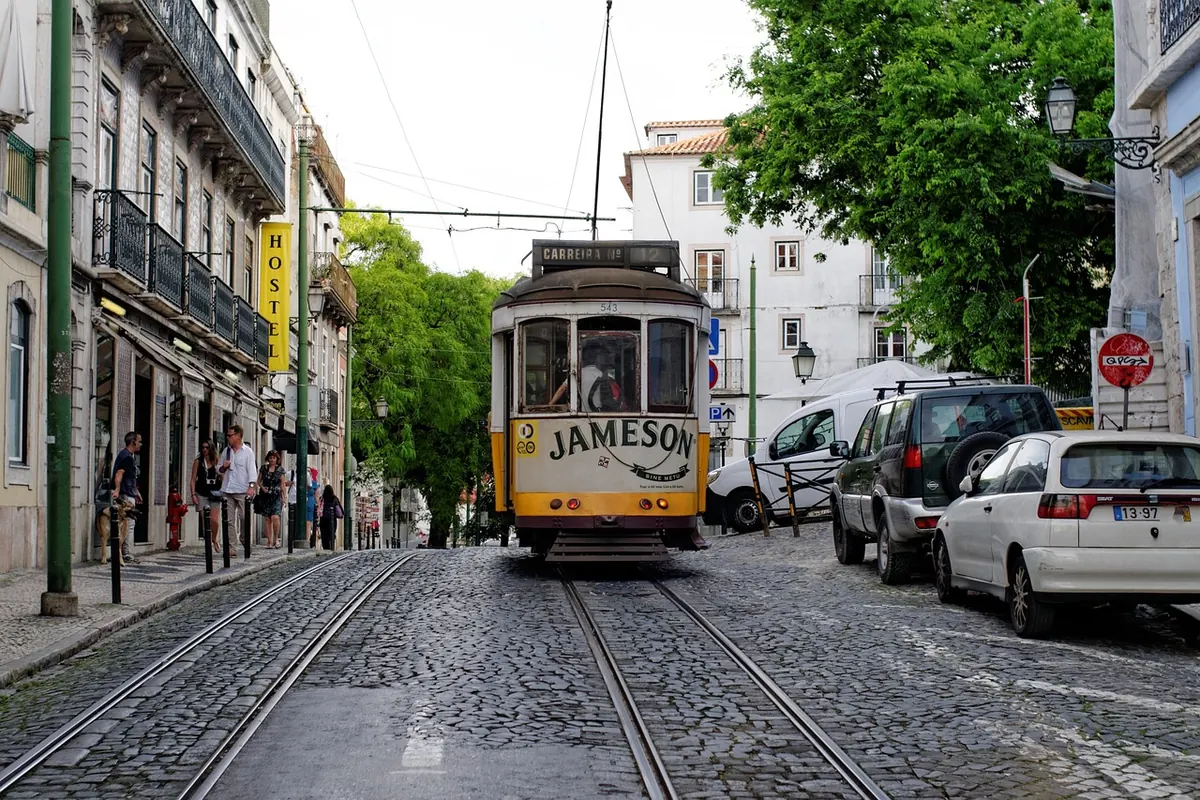
None of that means you switch off. Crowded spots — the famous 28 tram in Lisbon, the Ribeira waterfront in Porto, busy stations — are where pickpockets work. Keep your bag zipped and in front of you, don't drape a phone on a café table, and if someone creates a sudden commotion beside you, check your pockets before joining the audience.
Where to base yourself
Most first-timers start in Lisbon, add Porto, and slot in one or two smaller stops. Within each city, the neighbourhood matters as much as the hostel itself.
Lisbon
Baixa and Chiado put you in the middle of everything, with the trade-off of noise and tourist prices. Príncipe Real and Estrela are quieter, greener and popular with locals. Alfama is beautiful but hilly and dimly lit in places, so check the walk back from the metro after dark. Cais do Sodré is handy for transport but rowdy late at night.
Porto
Cedofeita and the streets around Rua de Santa Catarina are central, well-connected and full of cafés. Ribeira is the postcard view, though steep and busy. Bonfim is cheaper, calmer and increasingly where longer-staying travellers end up.
Smaller stops worth adding
- Coimbra — a student city that sits neatly on the Lisbon–Porto line.
- Évora — walkable, warm, and easy to cover in two days from Lisbon by bus or train.
- Lagos or Tavira — good for a slower coastal stretch if you want a break from cities.
Hostel etiquette, decoded
Hostels are where most solo travellers meet people, and most of the friction comes down to small things. Read recent reviews before booking and look for the words guests use about atmosphere: "quiet", "social", "party". A hostel that suits a group of friends on a weekend away may be miserable if you need sleep before an early train.
- Pack your bag the night before. Rustling plastic at 6am in a dorm is the fastest way to make enemies.
- Bring earplugs, an eye mask and a padlock. Lockers are common; locks often are not.
- Introduce yourself. "Mind if I sit here?" is enough. Most people in the kitchen are in the same position as you.
- Ask before joining a group's plans. Hostel WhatsApp groups and reception noticeboards are the usual places trips get organised.
- Label your food in shared kitchens, and wash up straight away rather than leaving it for later.
- Female-only dorms exist in most hostels and are a perfectly sensible choice if you would sleep better in one.
Reception staff are also the best source of local knowledge you will find. Ask them which area to walk at night, where to eat nearby, and which bus actually goes to the station.
Trains, buses and getting around cities
Portugal's rail network covers the main north–south spine well. The Alfa Pendular between Lisbon and Porto takes roughly three hours, and the Douro line from Porto towards Régua and Pinhão is one of the most scenic rides in the country. Buy tickets on the CP website or app in advance where you can — popular departures do sell out, and booking early usually costs less.
- Check whether your route is served by train or only by bus; inland and southern destinations often mean a coach.
- Book long-distance trains a few days ahead and download your ticket to your phone.
- Arrive at the station with time to spare — larger stations have queues at the ticket desk.
- Validate regional and urban tickets where the machines require it, and keep them until you leave the station.
In Lisbon, a rechargeable Viva Viagem card covers metro, tram and bus; Porto uses the Andante card. Both are bought and topped up at metro stations. For late nights, ride-hailing apps are widely available and cheap enough to split the difference between safety and budget.
What a day actually costs
Portugal remains better value than much of Western Europe, though Lisbon and Porto prices have crept up in tourist areas. The big savings come from habits rather than spreadsheets: coffee taken standing at the counter, the prato do dia at lunch instead of a dinner menu, supermarket picnic lunches, and free walking tours (tip your guide). Several state museums waive or reduce entry on Sunday mornings, but check each museum's own website before planning around it.
On money, use ATMs attached to a bank branch rather than standalone machines in tourist squares, and if a machine offers to convert the charge into pounds, decline and let your own bank do it. Tell your bank you are travelling and check its foreign transaction fees before you fly. For anything involving insurance, medical cover or larger sums, speak to your bank or a qualified adviser rather than relying on a blog.
Before you go: a short checklist
Book your first two nights before you leave, ideally somewhere you can reach in daylight. Save offline maps and the address of your accommodation, screenshot your train tickets, and share your rough itinerary with someone at home. Sort a local SIM or eSIM at the airport if your UK plan charges for EU roaming. Carry a small power bank, a refillable water bottle and a copy of your passport separate from the original.
Then relax into it. Portugal rewards the kind of trip where you plan the first few days properly and leave the rest loose. Trust your instincts about people and places, say yes to the hostel dinner more often than not, and give yourself permission to spend an afternoon doing nothing at all.
Photo: SLPix / Pixabay