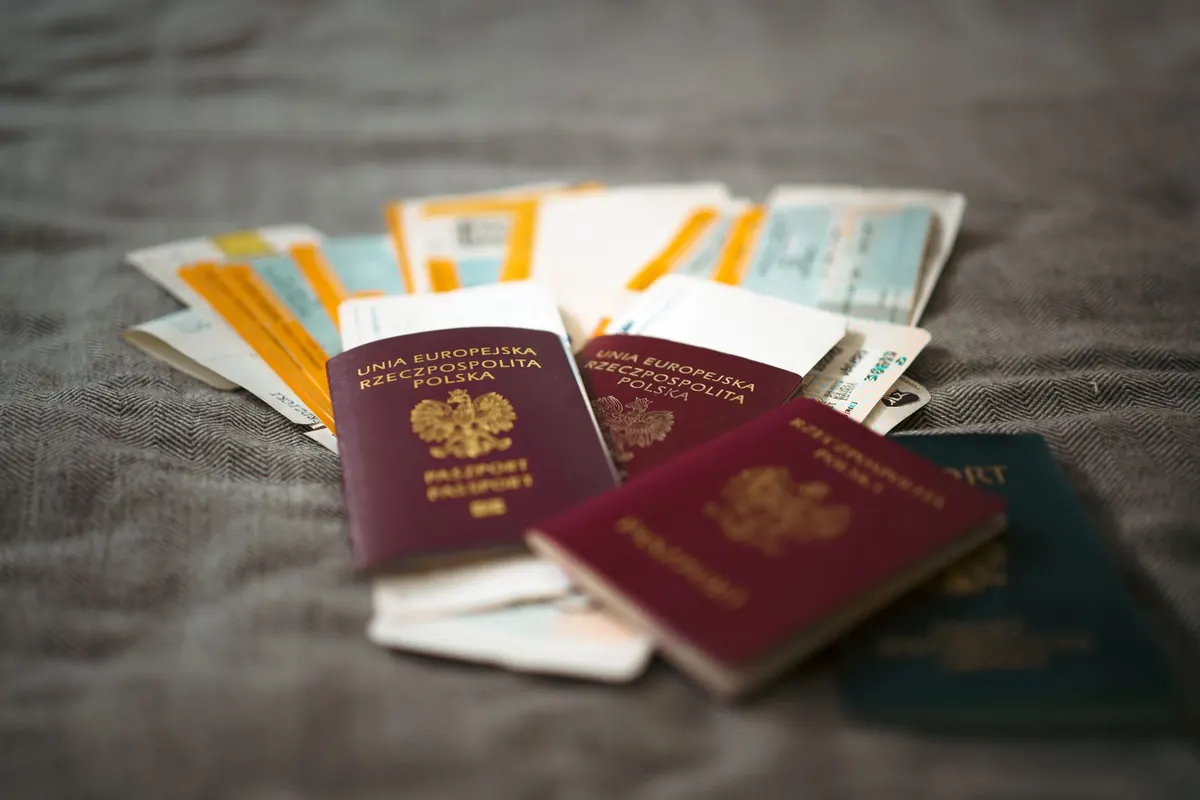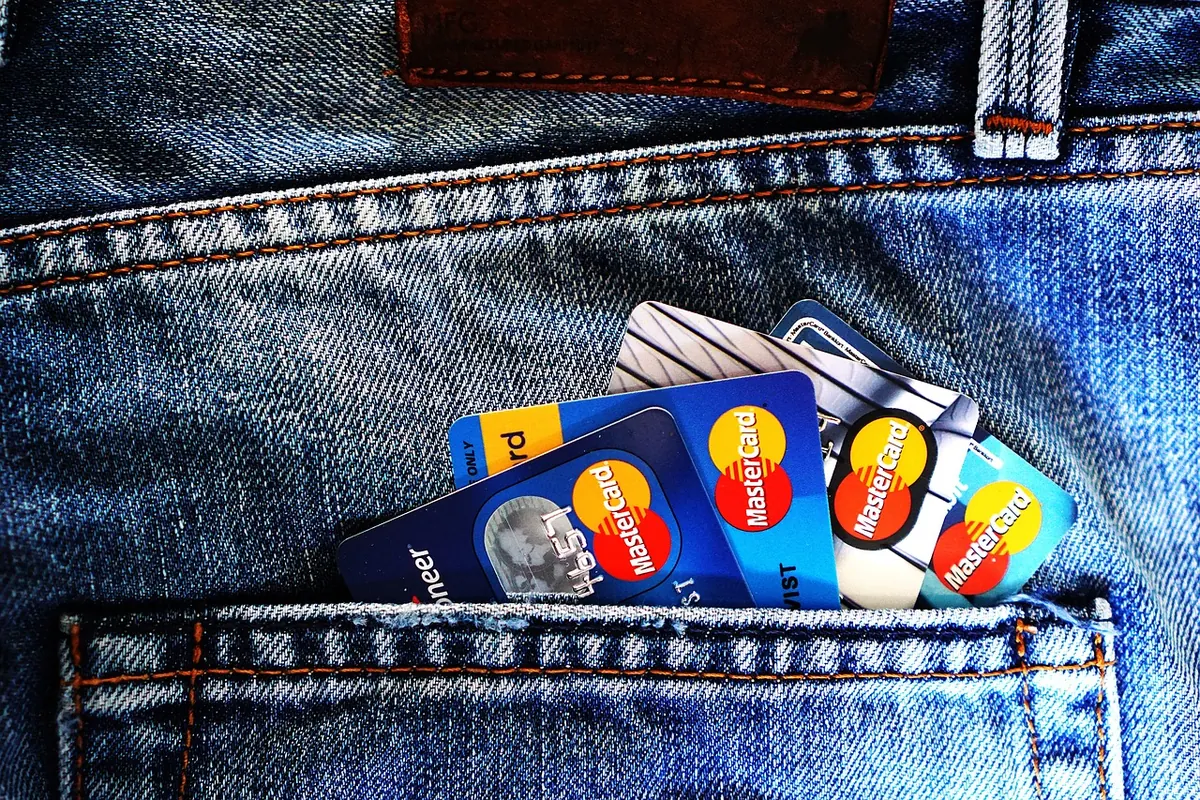
You have booked the flights, found somewhere to stay, and practised saying "the bill, please" in Portuguese. Then you land, tap your card on a coffee at the airport, and quietly lose a few per cent on the exchange rate. One coffee hardly matters. A fortnight of coffees, a couple of cash withdrawals, a hire car deposit and a few restaurant bills does. Choosing the right plastic, and knowing when not to use it, takes about half an hour of reading and can pay for a decent dinner at the end of the trip.
What "foreign fees" actually means
Three separate charges tend to get bundled together in people's minds, and they behave differently.
- Non-sterling transaction fee. Charged when you spend or withdraw in a currency other than sterling. On many mainstream UK cards this sits at roughly 2.75% to 3% of the transaction, added on top of the exchange rate you are given.
- Cash withdrawal fees. Some cards charge a flat amount, some a percentage, and occasionally both. The machine's own operator may add a separate charge that appears on your statement with no warning at the screen.
- Interest on cash advances. With a credit card, taking out cash is usually treated as a cash advance rather than a purchase. Interest often starts accruing from the day of withdrawal, sometimes at a higher rate, and the interest-free period that applies to purchases does not usually apply.
Read your card's summary box rather than the marketing page. It states the fees in plain numbers, and it is the document that counts if there is a dispute.
Credit card or debit card?
When a credit card wins
Credit cards are the better tool for anything you might need to argue about later. Purchases made on a credit card between £100 and £30,000 are generally covered by Section 75 of the Consumer Credit Act, which makes the card issuer jointly liable if something goes wrong with the goods or service. That matters for flights, hotels and package bookings. Credit cards are also what most car hire firms want for the deposit, and holding a second card from a different network is a sensible backup if one gets blocked.
When a debit card or app-based account wins
For everyday spending, a debit card or an app-based current account with no foreign transaction fee keeps things simple: the money leaves your account immediately, there is nothing to repay, and there is no interest to think about. Many of these accounts also have no ATM fee, but almost all of them cap how much you can withdraw fee-free each month. Beyond that allowance you will pay a percentage, so check the limit before you rely on cash for everything. Some accounts apply a small markup at weekends, when the currency markets are closed, or after a monthly exchange allowance is used up.
What to check before you apply
Two cards with identical headline promises can behave very differently on the ground. Work through this list before you hand over your details.
- Foreign transaction fee: ideally 0%, and stated as such in the summary box.
- ATM terms: the monthly fee-free allowance, the percentage charged after it, and whether there is a flat fee per withdrawal.
- Interest on cash advances, and whether interest is charged from day one. If it is, plan to clear the balance immediately rather than at the statement date.
- Whose exchange rate applies. Most cards use the Visa or Mastercard network rate, which is generally competitive. A few use their own rate, which may be less generous.
- Any annual fee, and whether the benefits you would actually use justify it. A fee is only worth paying if the card saves you more than it costs.
- The app. Being able to freeze a card, view the PIN, approve a payment or set spending alerts is genuinely useful when you are abroad and eight hours ahead of your bank's phone line.
- Acceptance. American Express is less widely taken in some countries, so pair it with a Visa or Mastercard if you carry it.
Cash machines: where the money leaks
The cheapest cash habit is boring: withdraw larger amounts, less often. Each withdrawal is a chance to be charged twice, once by your bank and once by the machine. Use ATMs attached to a bank branch rather than the standalone machines in bars, shops and hotel lobbies, which frequently add their own fee. If a machine offers to charge you in pounds, decline it and choose the local currency.
Never use a credit card for cash unless you have no alternative. If you do, repay that amount the same week rather than waiting for the statement to arrive.
Traps at the till
Dynamic currency conversion is the one to watch. The card machine asks whether you would like to pay in pounds sterling or in the local currency. Paying in pounds feels helpful and familiar, but the exchange rate is set by the merchant or their bank, not by yours, and it is usually several per cent worse. Always choose the local currency — euros, dollars, yen, whatever the till is actually ringing up. If the cashier has already pressed sterling, ask them to reverse it. It is a normal request and they will not be surprised.
Two smaller points. A card that works fine at home can still trigger a fraud check on the first foreign transaction, so have the app installed and notifications switched on before you fly. And keep at least one card somewhere separate from the rest — a different pocket, a hotel safe — so a lost wallet does not end the holiday.
A practical routine for your next trip
Before you book anything, check the summary box on the cards you already hold and note the foreign transaction fee, the ATM allowance and the cash advance terms. If nothing you own is competitive, it is usually worth opening a fee-free account or a dedicated travel card rather than paying 3% on everything.
At the airport, take out a sensible amount of local cash from a bank ATM using a debit card, and decline the offer to be charged in sterling. Pay by card wherever it is accepted, and let the network do the conversion. Keep notes in your phone of what you spent, so the cash advance on a credit card gets cleared quickly rather than sitting on the balance for a month.
One last thing: card terms, rates and allowances change, and the deal that was best last summer may not be best now. Recheck the summary box before each big trip. And if you are carrying a balance, or have several cards already, this is general information rather than personal financial advice — a conversation with a regulated adviser will serve you better than any comparison table.
Photo: TheDigitalWay / Pixabay